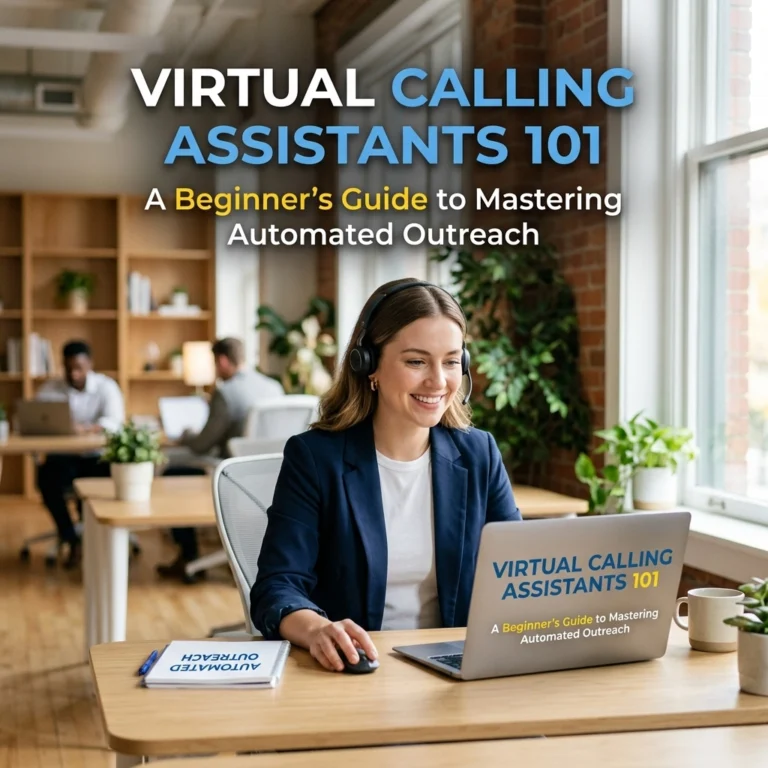
The Small Nonprofit’s Guide to AI-Powered Major Donor Prospecting
In the contemporary landscape of philanthropic advancement, the integration of artificial intelligence (AI) has emerged as a transformative force for small to mid-sized nonprofit organizations. Historically, the identification and cultivation of major donor prospects were tasks reserved for larger institutions with substantial development departments and expansive research budgets. However, with the evolution of AI-driven fundraising optimization, the playing field has been significantly leveled. It is now possible for organizations with limited staff to leverage sophisticated technology to uncover high-value opportunities and secure long-term financial stability.
The Evolution of Donor Prospecting in the Digital Age
The traditional methods of donor prospecting, which relied heavily on manual wealth screening and anecdotal evidence, are increasingly being superseded by data-centric methodologies. In today's digital age, the sheer volume of available information necessitates the use of automated systems to synthesize complex datasets into actionable insights. For small nonprofits, the challenge has often been the "data silo" effect, where valuable donor information remains trapped in disparate systems without a cohesive strategy for analysis.
The implementation of AI-powered solutions allows for the systematic evaluation of donor behavior, giving history, and external wealth indicators. By utilizing these advanced tools, organizations can move beyond static wealth screening to real-time, predictive intelligence. This transition is crucial for identifying individuals who possess both the capacity and the affinity for substantial philanthropic contributions.

Prompt: A professional and minimalistic representation of digital data streams and glowing neural networks in shades of blue and soft yellow. The image conveys a sense of high-tech analysis and sophisticated donor mapping. Clean, bright photography style.
Leveraging Predictive Modeling for High-Value Opportunities
One of the primary benefits provided by AI in the nonprofit sector is the capability for predictive modeling. Predictive algorithms can be utilized to analyze historical giving patterns and identify "lookalike" profiles within an organization's existing donor database. This process ensures that development efforts are focused on the individuals most likely to upgrade their commitment level.
For a small nonprofit, time is a finite resource that must be allocated with extreme precision. AI-driven systems, such as the Donation Accelerator Fundraising Optimization, automatically unearth hidden donations by scanning for signals that may be overlooked by human researchers. These signals often include frequent engagement with newsletters, attendance at virtual events, or specific patterns in social media interactions. When these behaviors are combined with external financial data, a comprehensive profile of a major donor prospect is established.
Furthermore, the utilization of Large Language Models (LLMs) has facilitated the creation of "virtual prospect researchers." These AI agents can scan public records, philanthropic news, and business affiliations in a fraction of the time required for manual research. This allows small organizations to produce professional-grade dossiers on potential donors, ensuring that every interaction is informed by deep intelligence.
Enhancing Donor Engagement Through Automation
Securing a major gift is rarely the result of a single interaction; it is the culmination of a sustained relationship-building process. For organizations with small teams, maintaining a high level of personalized engagement with a large pool of prospects has historically been a significant hurdle. This is where automated donor engagement platforms become indispensable.
The development of personalized outreach can now be achieved at scale through AI. Automated text messaging, emails, and voicemail drops can be choreographed to create meaningful engagement over specified time periods. By utilizing these tools, consistent communication is maintained without adding extra work to the existing team. This systematic approach ensures that no prospect is neglected, and the donor journey is managed with professional rigor.

Prompt: A sleek and modern user interface of a fundraising software displayed on a high-end tablet. The interface shows charts, donor profiles, and engagement metrics. The setting is a clean, bright office desk with a coffee cup and a notebook. Minimalistic and professional.
Moreover, the integration of 24/7 fundraiser chatbots on organizational websites serves to increase conversion rates by providing immediate responses to donor inquiries. These virtual assistants are capable of handling routine questions, facilitating donations, and identifying visitors who exhibit behaviors typical of high-value prospects. The data gathered by these bots is then fed back into the central CRM, further refining the organization's understanding of its audience.
Securing Long-Term Stability via AI-Driven Planned Giving
While immediate major gifts are vital for operational success, the long-term sustainability of a nonprofit often depends on planned giving. Identifying prospects for legacy gifts requires a nuanced understanding of donor loyalty and life stages. AI-powered tools are particularly effective in this domain, as they can analyze long-term engagement metrics to predict which supporters are most likely to consider a major financial commitment in their estate planning.
The Planned Giving Accelerator is an example of how organizations can secure millions in future commitments by targeting the right individuals with precision. By automating the identification process and providing structured communication frameworks, small nonprofits can establish robust legacy programs that were previously the exclusive domain of universities and large healthcare institutions.
The Role of Virtual Voice Assistance in Fundraising Calls
The human voice remains one of the most powerful tools in fundraising; however, the manual execution of large-scale calling campaigns is labor-intensive and often inefficient. To address this, many organizations are now adopting virtual voice assistance to automate fundraising calls.
These sophisticated systems utilize AI to conduct personalized conversations that feel natural and approachable. They can be utilized to thank donors for their support, invite them to exclusive events, or solicit upgrades to monthly giving programs. By automating these touchpoints, staff members are freed to focus on high-stakes, face-to-face meetings with top-tier prospects. The efficiency gained through these virtual agent call campaigns allows small nonprofits to maintain a professional presence that belies their actual headcount.

Prompt: A professional and warm interaction between two people in a glass-walled meeting room. A laptop is open on the table, and they are engaged in a serious but positive conversation. The lighting is soft and natural. Minimalistic and clean photography style.
Overcoming Barriers to AI Adoption
Despite the clear advantages, some organizations may exhibit hesitancy regarding the adoption of AI technology. Concerns often center around the potential for "depersonalization" or the technical complexity of implementation. It is essential to recognize that AI is not a replacement for human connection; rather, it is an enabler. By removing the burden of administrative tasks and data analysis, AI allows fundraisers to be more human, not less.
Implementation is also becoming increasingly streamlined. Modular, scalable platforms are now available that allow organizations to start with specific tools: such as a chatbot or a wealth screening module: and expand their capabilities as their needs grow. This modularity ensures that the transition to AI-enhanced fundraising is manageable and cost-effective.
Conclusion
The integration of artificial intelligence into the fundraising operations of small nonprofits represents a significant shift toward data-driven success. By implementing AI-powered major donor prospecting, organizations can unlock hidden opportunities, optimize their engagement strategies, and build a foundation for long-term financial health. The capabilities once limited to the world's largest nonprofits are now accessible to any organization willing to embrace technological innovation. Through the strategic use of predictive modeling, automated stewardship, and virtual assistance, the path to increased impact and sustained growth is clearly defined.