7 Mistakes You’re Making with Automated Stewardship (and How to Fix Them)
Let’s be real: stewardship is the hardest part of fundraising to get right. We all know the drill. You spend weeks, maybe months, courting a donor. You finally get that "Yes!" and the gift hits the bank account. But then? The "thank you" email is generic, the impact report never arrives, and the donor feels like they just dropped money into a black hole.
That’s where automated stewardship is supposed to save the day. It promises to take the heavy lifting off your plate so you can focus on building relationships. But here’s the kicker: if you do it wrong, automation can actually drive your donors away. It can make your organization look cold, robotic, and, dare we say, a little bit lazy.
At Donation Accelerator, we live and breathe AI-powered fundraising solutions, so we’ve seen it all. We want you to succeed, which means avoiding the common pitfalls that turn a "thank you" into a "no thanks."
Here are the 7 biggest mistakes you’re likely making with your automated stewardship and, more importantly, how you can fix them to build long-term financial stability.
1. Removing Humans from the Equation Entirely
The biggest mistake we see is the "set it and forget it" mentality. You find a cool piece of software, plug in your donor list, and walk away. But stewardship isn't a kitchen appliance; it’s a relationship. When you remove human oversight, you run the risk of sending a "Welcome to our community!" email to a donor who has been giving for twenty years.
The Fix: Implement Human-in-the-Loop (HITL) Workflows
Instead of letting the AI run wild, use a Human-in-the-Loop approach. This means your team acts as the "final approval" for automated tasks. AI can draft the thank-you note or flag a donor for a follow-up, but a human should give it the once-over before it goes out. This ensures that the data is accurate and that the message actually makes sense for that specific person.

2. Automating a Messy, Broken Process
Automation is a multiplier. If you automate a great process, you get great results at scale. If you automate a messy, inefficient process, you just get a mess, faster. If your data is currently scattered across three different spreadsheets and a sticky note, automating your stewardship is just going to broadcast that confusion to your donors.
The Fix: Clean House Before You Automate
Before you touch a single automation tool, map out your current stewardship journey. Where are the bottlenecks? Where do donors usually drop off? Fix the logic of your workflow first. Once the manual process is lean and effective, then you can bring in the digital fundraising strategies to scale it up.
3. Sounding Like a Robot (The "Dear Valued Donor" Syndrome)
We’ve all received those emails. You know the ones, they’re technically accurate but have zero soul. They use phrases like "Your contribution has been processed" or "We appreciate your support of our mission." If your automated stewardship sounds like it was written by a legal department in 1995, you’re missing a massive opportunity to connect.
The Fix: Inject Personality and Warmth
AI is a tool, not a writer. Use your automation to pull in specific details, like the specific program they supported or the name of the last event they attended, but keep the tone casual and friendly. Think about how you’d talk to a friend over coffee. For a truly personal touch, consider something like our virtual agent call campaigns, which allow you to reach out with a voice that sounds human and sincere, even at scale.

4. Failing to Define Clear Stewardship Goals
Are you automating because you want to save time? Because you want to increase retention? Or because everyone else is doing it? If you don’t have a clear goal, you won’t know if your automation is actually working. You might be sending out thousands of automated "impact updates," but if your donor retention rate isn't budging, you're just spinning your wheels.
The Fix: Set Concrete KPIs for Your Automation
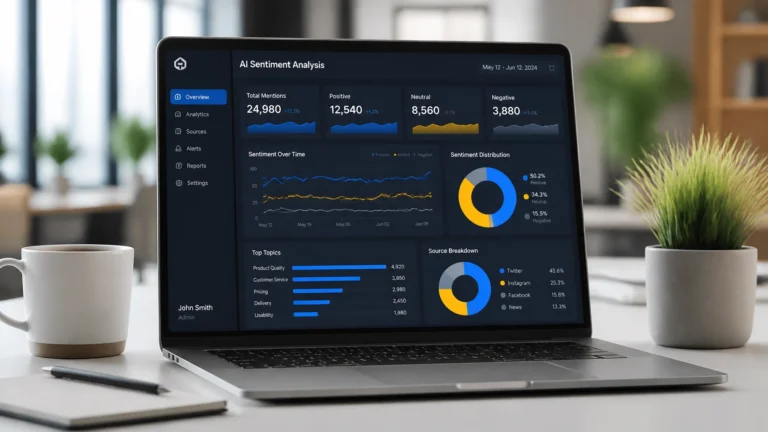
Define what success looks like. Maybe it’s a 10% increase in second-gift conversion or a decrease in the time it takes to send an initial thank-you from 48 hours to 4 hours. Use tools like a donor dashboard to track these metrics in real-time. If the data shows your automated touchpoints aren't moving the needle, it’s time to pivot.
5. Using the Wrong Tools for the Job
Not all automation is created equal. Many nonprofits try to use generic marketing automation tools that aren't designed for the nuances of donor relationships. These tools often struggle with "soft credits," householding, or complex gift designations, leading to awkward mistakes that make your organization look unprofessional.
The Fix: Choose Industry-Specific Solutions
Work with tools designed specifically for the nonprofit sector. You need a donor relationship manager software that understands fundraising. These systems are built to handle the weird edge cases that happen in the nonprofit world, like when a donor gives through a donor-advised fund or wants their spouse included on the receipt.

6. Neglecting Staff Training and Buy-In
Automation can feel threatening to a fundraising team. If your staff thinks the "robots are taking their jobs," they’ll be hesitant to use the new tools, or they won't use them correctly. We often see organizations invest in expensive tech only to have it sit on the shelf because the team wasn't properly trained on how to integrate it into their daily routine.
The Fix: Focus on Training and Empowerment
Stewardship automation should be viewed as a "copilot," not a replacement. Train your team on how to use AI to prioritize their day. Instead of spending four hours writing basic thank-you emails, they can spend thirty minutes reviewing the AI-generated drafts and the other three and a half hours on the phone with major gift prospects. When your team sees that automation gives them more time for the high-value human work, they’ll embrace it.
7. Rigid Workflows That Can’t Adapt
The world changes fast. A stewardship workflow that worked perfectly in 2024 might feel tone-deaf during a local crisis or a global shift in 2026. If your automation is too rigid, you won’t be able to pause or adjust your messaging when something big happens, leading to "action fatigue" or, worse, a PR nightmare.
The Fix: Build in Flexibility and "Kill Switches"
Your automated systems should be easy to tweak. Ensure you have the ability to pause all automated communications with one click if needed. Furthermore, use your data to create "branches" in your automation. If a donor suddenly increases their gift size by 500%, the automation should "break" and alert a human to make a personal phone call instead of just sending the standard automated receipt.

Why Automated Stewardship Matters for Your Bottom Line
At the end of the day, stewardship is about one thing: Long-term financial stability.
It is significantly cheaper to keep a donor than it is to find a new one. By automating the routine parts of the "thank you" process, you ensure that no donor: no matter how small their gift: ever feels forgotten. This consistency builds trust, and trust is the foundation of every major gift and every legacy bequest.
If you’re worried about sounding like a robot, remember that the most "robotic" thing you can do is ignore a donor for six months because you were too busy to send a manual update. Automation, when done with a friendly and casual touch, is actually a way to show more care to more people.
Ready to Level Up Your Stewardship?
Don’t let the fear of "going digital" stop you from growing your mission. Whether you need a better way to track donor data or you want to explore the world of AI-driven voice campaigns, we’re here to help you navigate the transition without losing your soul.
Check out our services to see how we can help you streamline your operations, or better yet, contact us today for a friendly chat about your organization's specific needs. Let’s build a stewardship engine that works for you, so you can get back to the work that really matters.