
The 'Hidden' Goldmine: Using Surveys to Identify Your Next Major Donor (Without the Awkwardness)
Let's be honest: traditional major donor prospecting feels like trying to read someone's diary without permission. You're running wealth screenings, combing through property records, and analyzing stock portfolios, all while hoping your donors never find out you've been digitally stalking them.
There's a better way. And it's ridiculously simple.
The Big Lie About Major Donor Prospecting
Here's what most nonprofits get wrong: they assume that wealth equals willingness to give. So they spend thousands on fancy prospect research tools that tell them who could write a check, but not who wants to.
That $10 million net worth on paper? Might belong to someone who gives $50 annually because your mission doesn't resonate with them. Meanwhile, that teacher who's been giving $100 every month for five years? She might have your organization in her will, and you'd never know it from a wealth screening.
The truth is, planned giving survey strategies and donor engagement surveys cut through the noise by letting donors tell you directly what they care about and how they want to help.

Why Surveys Are Your Secret Weapon for Nonprofit Lead Generation
Think of a donor engagement survey as a permission slip. Instead of guessing or investigating, you're simply asking your supporters to raise their hands and tell you what matters to them.
Here's what makes surveys powerful for major donor prospecting:
They're transparent. When you ask questions directly, donors don't feel like you're digging through their personal life. They willingly share information, which builds trust instead of eroding it.
They reveal motivation first. A good legacy giving survey doesn't lead with "How much money do you have?" It starts with "Why do you care about our mission?" That emotional connection is worth more than any financial data.
They let prospects self-identify. The donors who are genuinely interested in planned giving will tell you. No awkward conversations needed.
They give you conversation starters. When you follow up, you're referencing things they chose to share with you. That makes every interaction feel personal, not pushy.
What to Actually Ask in Your Donor Survey
Here's where most nonprofits fumble. They create these massive 50-question surveys that feel like a tax audit. Your donors will bail before question three.
Keep it focused. Here's what you need to know:
Start With the Emotional Hook
Before you ask about anything financial, ask why they care. Questions like:
- "What inspired you to first support our organization?"
- "Which aspect of our mission resonates most with you?"
- "Can you share a personal connection to our cause?"
These answers are gold. They tell you what motivates each donor at a core level, which guides every future conversation about giving.

Ask About Impact Preferences
Not every donor connects with every program you run. Some love your education initiatives. Others are passionate about your direct services. Find out which projects light them up:
- "Which programs would you most like to see grow?"
- "If you could fund one initiative with unlimited resources, what would it be?"
When you know their specific interests, you can tailor your major gift conversations around what they actually care about.
The Golden Question for Planned Giving Prospects
Here's the money question, literally. Somewhere in your survey, include this:
"Have you considered including [Your Organization] in your will or estate plans?"
Simple, direct, and not at all pushy. Give them options like:
- Yes, I've already done this
- Yes, I'm considering it
- Maybe in the future
- Not at this time
- I'd like to learn more
The donors who check "Yes" or "I'd like to learn more"? Those are your planned giving prospects. They just raised their hands and told you they're interested. No wealth screening required.
This single question has helped us identify prospects that led to over $3.1 million in secured planned giving commitments: many from donors who never would have shown up on a traditional wealth screening.
Gather Capacity Indicators Naturally
You don't need to ask about bank account balances. Instead, ask questions that naturally reveal capacity:
- Professional background and career history
- Volunteer leadership roles
- Board service at other organizations
- Business ownership or affiliations
- Hobbies and interests (certain hobbies correlate with wealth)
These answers provide context clues about giving capacity without feeling invasive.

The Follow-Up That Makes or Breaks Everything
Here's the brutal truth: most nonprofits blow it at the follow-up stage.
You send a survey. Donors respond. Someone on your team says "We should really call those planned giving prospects." Then life happens, priorities shift, and three months later those leads are ice cold.
This is where automation becomes your best friend. Our Automated Virtual Calling Assistant was built specifically for this scenario.
Here's how it works: the moment a donor indicates interest in planned giving or flags themselves as a major gift prospect in your survey, they get a warm, personalized follow-up call. Not a robot asking them to press 1 for yes. An actual AI-powered conversation that:
- Thanks them for completing the survey
- References their specific responses
- Asks if they'd like to schedule a conversation with your team
- Captures their availability and preferences
No lead goes cold. No prospect slips through the cracks. Every hand-raiser gets immediate attention.
Real Results from the Survey Strategy
Let's talk numbers. Organizations using this donor engagement survey approach consistently see:
- Higher response rates than traditional cultivation efforts (because you're meeting donors where they are)
- More qualified leads than wealth screening alone (because you're identifying willingness, not just capacity)
- Faster conversion to major gifts (because donors have already signaled their interest)
One mid-sized nonprofit we work with identified 17 planned giving prospects through a simple survey. Within six months, they closed 5 commitments totaling over $2 million. These weren't donors on their "top 100 prospects" list based on wealth screening. They were longtime supporters who simply needed to be asked.
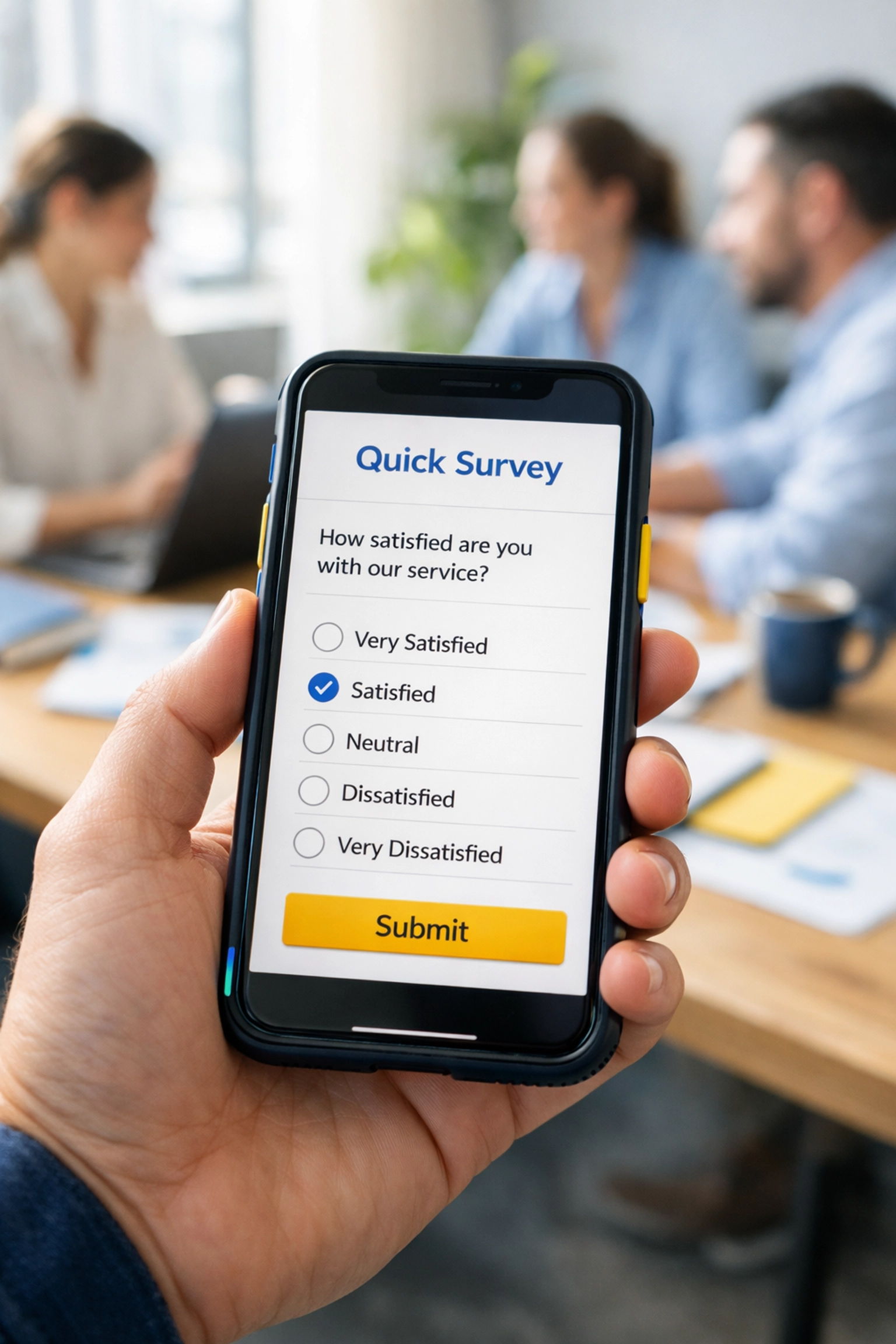
The Survey Deployment Checklist
Ready to implement your own planned giving survey? Here's your roadmap:
1. Keep it short. Aim for 8-12 questions maximum. Respect their time.
2. Make it mobile-friendly. Most donors will complete it on their phones.
3. Send it strategically. Right after a successful event or campaign when engagement is high.
4. Follow up immediately. Strike while the iron is hot. Use automated tools if your team can't manually follow up within 48 hours.
5. Segment your list. Send different versions to different donor groups based on their giving history.
6. Thank everyone who responds. Even if they didn't flag themselves as a major gift prospect, acknowledgment matters.
7. Track everything. Note who responded, what they said, and how they were followed up with. This data becomes invaluable for prospect research for nonprofits over time.
Why This Works Better Than Traditional Prospect Research
Traditional prospect research has its place. But it shouldn't be your only tool: or even your first tool.
Surveys flip the script. Instead of you researching donors, donors tell you what you need to know. They volunteer their interests, capacity indicators, and: if you ask the right questions: their willingness to make a major or planned gift.
The result? Warmer leads, better conversations, and donors who feel respected rather than investigated.
Combined with smart follow-up through tools like our virtual calling campaigns, you create a systematic approach to major donor prospecting that actually scales.
Start Mining Your Hidden Goldmine
Your next major donor is probably already in your database. They're giving modestly, attending your events, and quietly supporting your mission. They're just waiting for you to ask the right questions.
A well-designed donor engagement survey does exactly that. It identifies the hand-raisers, the legacy gift prospects, and the major donor candidates who want to do more: if you just give them the opportunity.
Stop guessing. Stop stalking public records. Start asking.
Ready to implement this strategy? Check out our Planned Giving Accelerator to see how we help organizations turn survey responses into secured commitments.